Closure program
Plan closure coverage, parting, lace, texture, length, color, density direction, and the bundle or wig range it should support.
- Coverage
- Parting direction
- Product match
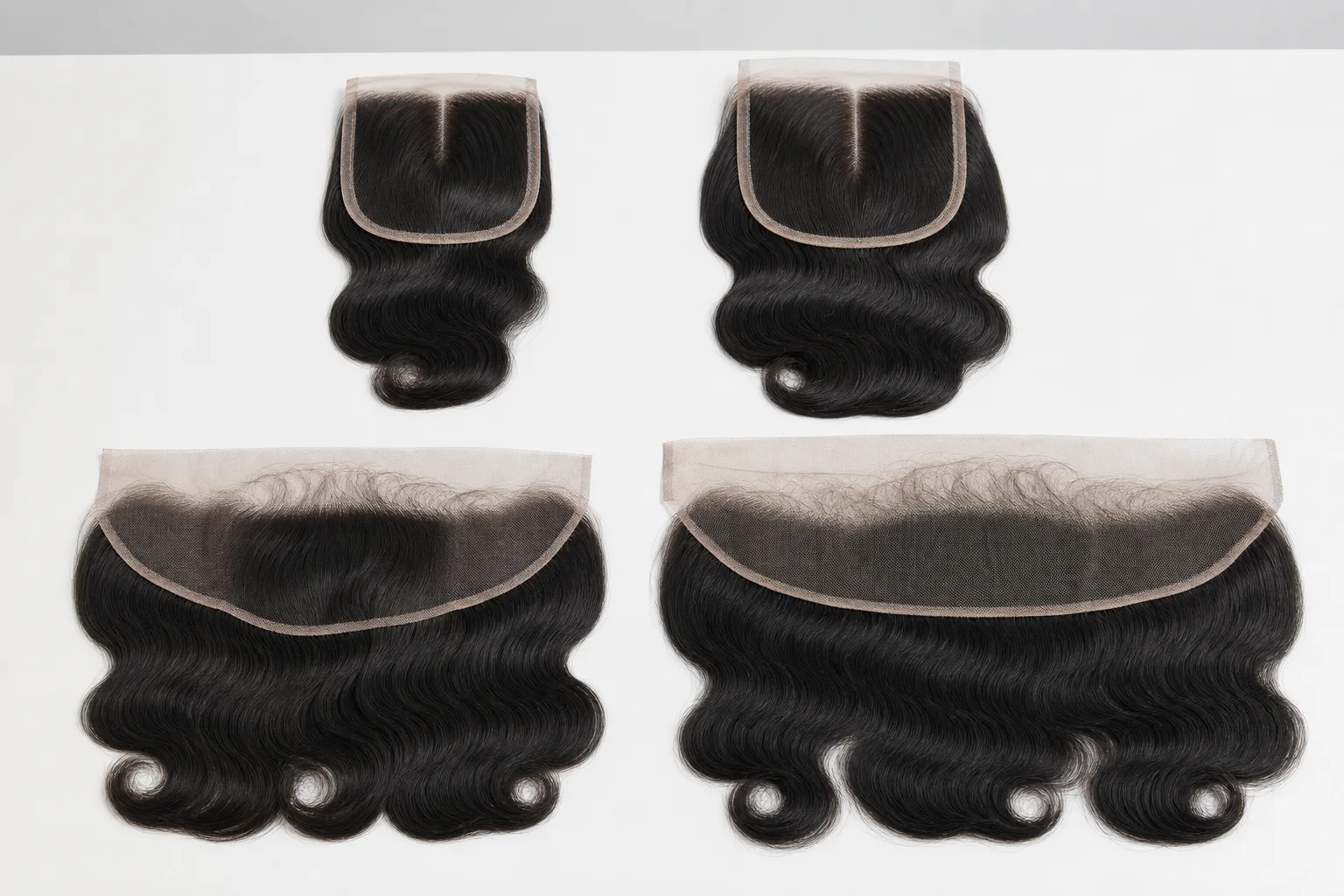
Wholesale closure and frontal product knowledge
Build closure and frontal assortments around the bundle, wig, salon, and private-label programs your buyers already understand.
Direct answer
Wholesale lace closure and frontal planning starts with the buyer market and intended bundle, wig, or salon program, then connects product type and coverage to lace direction, parting or hairline requirements, texture, length, visible color, density direction, and finish. Goodluck Hair can organize those decisions around representative samples, matching products, packaging, and a written reorder record before a bulk quotation is prepared.
Best suited to
Product decisions
Use these rows to prepare a sample discussion and keep open details visible.
Assortment options
Choose a useful starting direction, then refine it against the sample and market requirements.
Plan closure coverage, parting, lace, texture, length, color, density direction, and the bundle or wig range it should support.
Organize frontal coverage, hairline, lace, ventilation direction, texture, length, color, finish, and professional market expectations.
Connect each lace piece to a documented bundle texture, visible color, length plan, finish, presentation, and approved sample reference.
Connect confirmed products to labels, bags or boxes, identification details, packing instructions, and dated changes for repeat orders.
Buying process
Keep each decision connected from the first inquiry through the next order conversation.
Share the market, buyer type, bundle or wig range, intended professional workflow, and whether closures, frontals, or both are being considered.
Record coverage, lace, parting or hairline direction, texture, length, visible color, density direction, finish, matching products, and packaging needs.
Compare the lace piece with the written request and intended matching product, then record visible details, observations, and requested changes.
Use the accepted sample direction, written specifications, current buying stage, packing needs, and destination for the wholesale discussion.
Keep product ID, matching reference, sample approval, packaging, and every dated change together for the next order.
Matching-piece material checkpoint
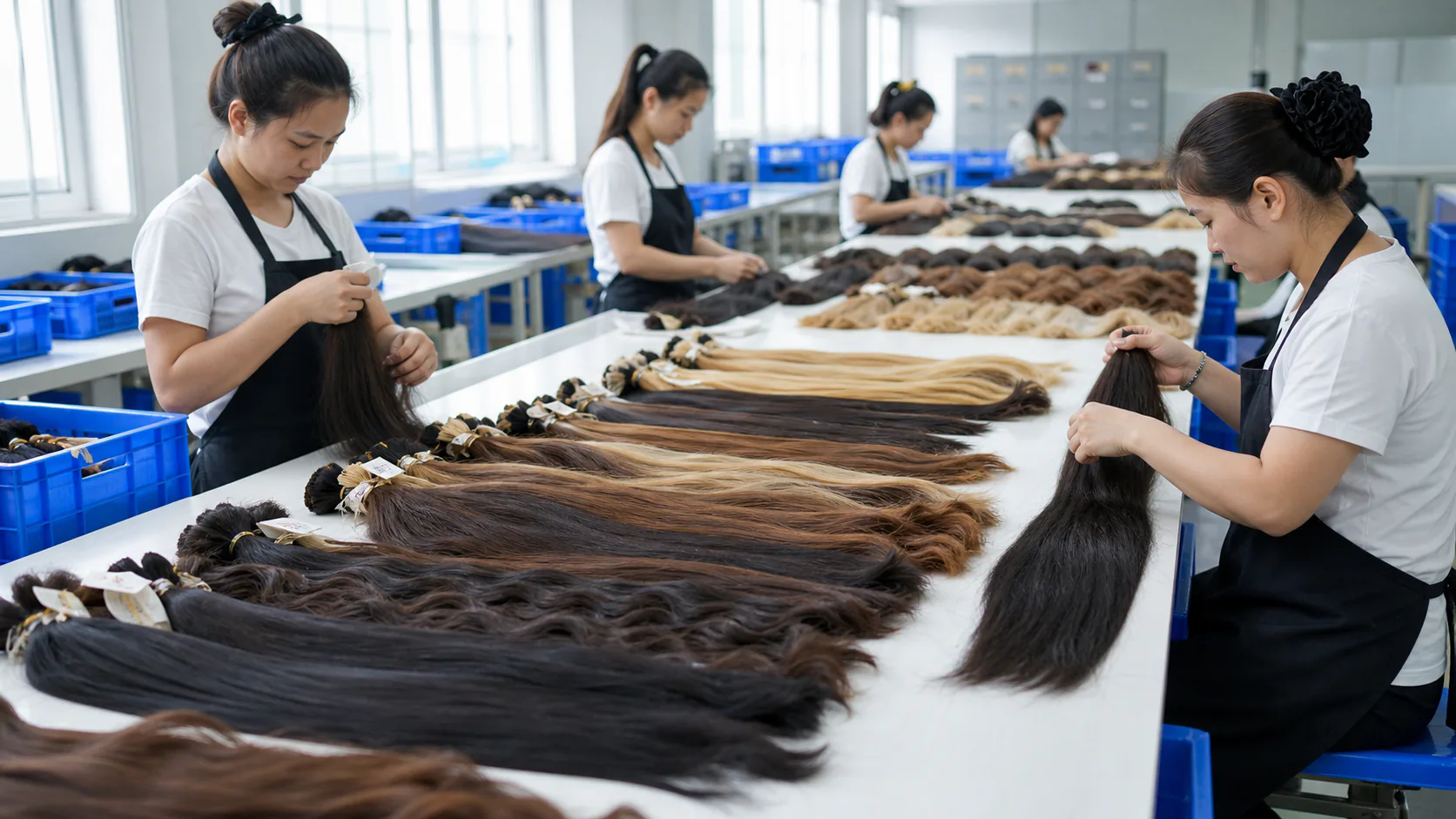
Hair preparation and production can be organized around the confirmed closure or frontal specification, matching hair reference, visible color direction, texture, length, density direction, lace details, sample record, and packing instructions.
Related planning
Structured WhatsApp request
Share the product details you know now. Open decisions can remain marked for confirmation.
FAQ
Use these answers to prepare the first sample request or the next reorder.
Share your market, buyer type, closure or frontal direction, coverage, lace, parting or hairline, texture, length, visible color, density direction, matching bundle or wig reference, buying stage, packaging needs, and destination.
Yes. List each product separately with its coverage, lace, construction, parting or hairline, hair specification, matching product, sample priority, and packing requirements.
Start with the target customer, intended installation or wig construction, coverage, parting and hairline direction, professional workflow, maintenance expectations, and the complete product set. Confirm the chosen direction through a written specification and sample.
Yes. Provide the bundle texture, visible color, length plan, finish, hair reference, product presentation, and intended lace-piece details so they can be reviewed together before approval.
Yes. Send the complete closure or frontal direction and the bundle or wig reference it should match so relevant sample options, cost, timing, observations, requested changes, and approval records can be discussed.
Private-label planning can include confirmed product IDs, labels, bags or boxes, care information, matching-set identification, and carton organization after the product and sample direction are clear.
Reference the approved product ID, coverage, lace, construction, parting or hairline, hair specification, matching product, sample record, packaging, and every dated change required for the next order.